Automatic Dumpling Machine Buying Guide: 5 Key Specs & Budget for 2024
If you're looking to automate dumpling production, an automatic dumpling machine is a smart investment. But with so many models and specifications on the market, how do you choose the right one for your business? This guide breaks down the five key specifications you must consider, typical budget ranges, and practical advice to help you make an informed decision. Whether you run a small factory, a central kitchen, or a restaurant chain, this article will help you select a machine that meets your production needs and budget.
1. Production Capacity: How Many Dumplings Per Hour Do You Need?
The first specification to determine is production capacity, usually measured in pieces per hour (pcs/h). Automatic dumpling machines range from small-scale models producing 1,000–3,000 pcs/h to high-speed industrial units capable of 12,000 pcs/h or more.
Consider your current and future demand. For a small factory or restaurant, a machine with 3,000–5,000 pcs/h is often sufficient. If you plan to supply supermarkets or export, you may need a machine with at least 8,000 pcs/h. Keep in mind that higher capacity usually means a larger footprint and higher power consumption.
Tip: Calculate your peak hourly demand and add 20–30% buffer to avoid bottlenecks during busy seasons.
2. Dumpling Size and Shape Flexibility
Different markets prefer different dumpling sizes and shapes. An automatic dumpling machine should offer adjustable molds to produce various sizes (e.g., 15g, 20g, 30g) and shapes (e.g., crescent, round, pleated). Some machines allow quick mold changes without tools, which is essential if you produce multiple product lines.
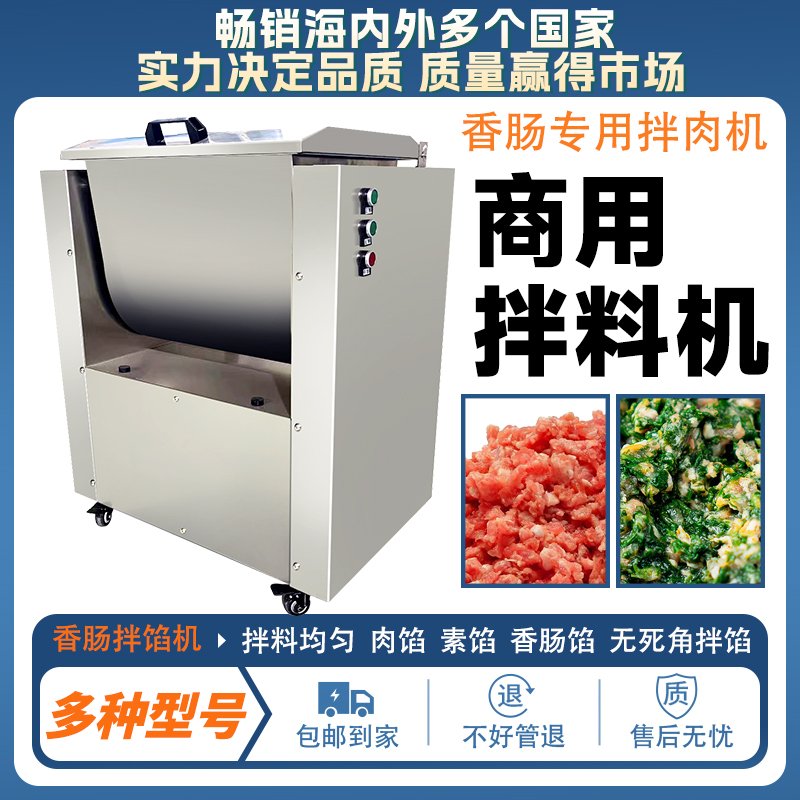
Also, consider the filling types you'll use. Machines that handle both meat and vegetable fillings with high moisture content are more versatile. Look for models with a dedicated filling mixer (such as our filling mixer) to ensure consistent texture and prevent clogging.
3. Dough and Filling Consistency: The Role of Auxiliary Equipment
The quality of the final dumpling depends heavily on dough and filling preparation. An automatic dumpling machine works best when the dough is evenly mixed and the filling is finely chopped. For efficient filling preparation, consider a filling mixer that blends meat and seasonings uniformly. Similarly, a dough mixer ensures consistent dough hydration.
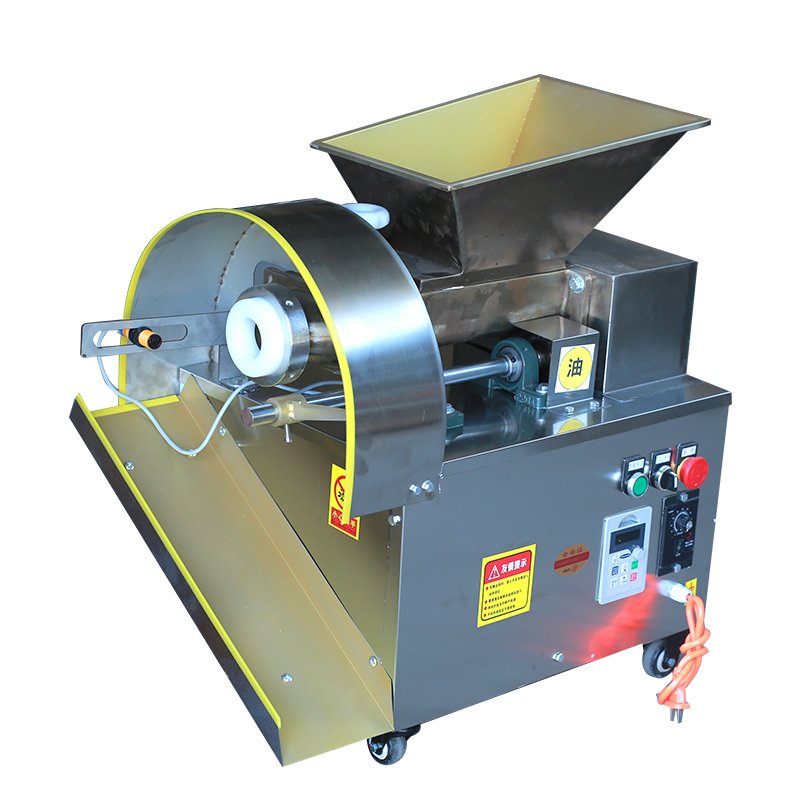
Some advanced dumpling machines come with integrated dough sheet rollers and filling pumps, but standalone units often require separate equipment. Plan your production line layout accordingly.
4. Construction, Hygiene, and Ease of Cleaning
Food safety is non-negotiable. The machine should be made of food-grade stainless steel (typically 304 or 316) and meet local hygiene standards. Easy disassembly for cleaning is crucial—look for quick-release mechanisms on the filling hopper, dough roller, and mold assembly.
Also, check for certifications such as CE or ISO, which indicate compliance with international safety and quality standards. A well-built machine will last longer and reduce downtime.
5. Budget and Total Cost of Ownership
Prices for automatic dumpling machines vary widely based on capacity, automation level, and brand. As a rough guide:
- Small-scale (1,000–3,000 pcs/h): $2,000–$5,000
- Medium-scale (3,000–8,000 pcs/h): $5,000–$12,000
- High-speed industrial (8,000+ pcs/h): $12,000–$30,000+
Remember to factor in the cost of auxiliary equipment (mixers, conveyors), installation, training, and spare parts. Energy consumption and maintenance costs also affect total cost of ownership. Investing in a reliable machine from a reputable manufacturer often pays off in the long run through lower downtime and higher product quality.
For a complete production line, you might also need a baozi machine or a mooncake molding machine to diversify your product offerings.
Conclusion
Choosing the right automatic dumpling machine requires careful consideration of production capacity, flexibility, auxiliary equipment, hygiene, and budget. By aligning these factors with your business goals, you can select a machine that boosts efficiency and product quality. For more detailed specifications and options, explore our range of food processing machinery or contact our team for personalized advice.